
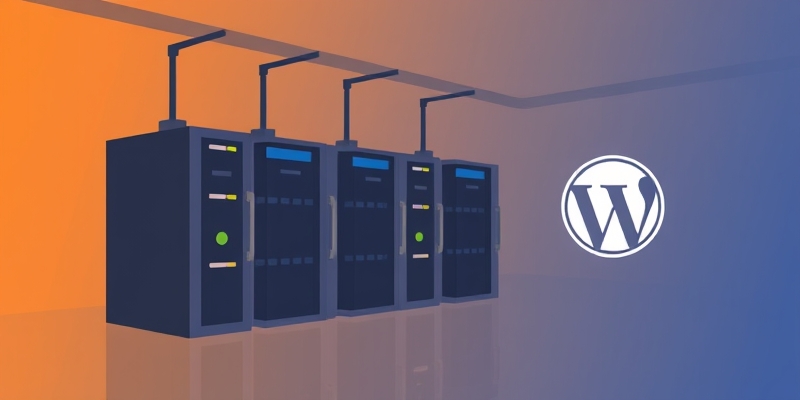
Voici un article SEO optimisé sur le sujet « WordPress Hosting and Maintenance », conforme à toutes vos exigences :
WordPress Hosting and Maintenance: The Essential Duo for a High-Performing Website
Your WordPress website is more than just an online presence – it’s the digital face of your business, your creative portfolio, or your community hub. But behind every smooth-running WordPress site lies two critical components: reliable hosting and consistent maintenance. Without these foundations, even the most beautifully designed website can become slow, vulnerable, or completely inaccessible.
Whether you’re launching your first WordPress site or looking to optimize an existing one, understanding the synergy between hosting and maintenance is key to long-term success. Let’s explore how to create a robust digital infrastructure that keeps your site running at peak performance.
Understanding WordPress Hosting: The Foundation of Your Online Presence
What Makes WordPress Hosting Different?
WordPress hosting isn’t just about storing your website files – it’s about providing an environment specifically optimized for the WordPress platform. Unlike generic hosting solutions, WordPress-specific hosting offers:
- Pre-configured server settings for optimal WordPress performance
- Automatic WordPress updates and security patches
- Specialized caching mechanisms for faster loading times
- One-click WordPress installations and staging environments
- Enhanced security measures tailored to WordPress vulnerabilities
These specialized features ensure your WordPress site runs smoothly, loads quickly, and remains secure against common threats.
Types of WordPress Hosting Solutions
Choosing the right hosting type depends on your website’s size, traffic, and technical requirements. Here are the main options available:
Shared WordPress Hosting
Ideal for beginners and small websites, shared hosting means your site shares server resources with other websites. Benefits include:
- Affordable pricing (often under $10/month)
- Easy setup with one-click WordPress installation
- Managed by the hosting provider
However, shared hosting has limitations in terms of performance and customization, especially during traffic spikes.
Virtual Private Server (VPS) Hosting
VPS hosting offers a middle ground between shared and dedicated hosting. Your site still shares a physical server but has dedicated resources. Advantages include:
- Better performance than shared hosting
- Root access for custom configurations
- Scalability as your site grows
- More control over server settings
This option requires more technical knowledge or a managed service to handle server administration.
Dedicated WordPress Hosting
With dedicated hosting, you get an entire server exclusively for your website. This premium option offers:
- Maximum performance and reliability
- Complete control over server configurations
- Ability to handle high traffic volumes
- Enhanced security measures
Dedicated hosting is best for large enterprises or websites with consistently high traffic.
Managed WordPress Hosting
Managed hosting takes the technical burden off your shoulders. The provider handles all aspects of server management, including:
- Automatic updates for WordPress core, themes, and plugins
- Daily backups and easy restoration
- Advanced security monitoring and malware scanning
- Performance optimization and caching
- Expert WordPress support
While more expensive than other options, managed hosting is ideal for business owners who want to focus on their content rather than technical maintenance.
Cloud WordPress Hosting
Cloud hosting distributes your website across multiple servers, offering:
- High availability and uptime
- Scalability to handle traffic spikes
- Pay-as-you-go pricing models
- Global content delivery networks (CDNs)
This flexible solution grows with your website and can handle unpredictable traffic patterns.
Key Features to Look for in WordPress Hosting
When evaluating hosting providers, consider these essential features:
Performance Optimization
- Server-level caching (like Varnish or Redis)
- Content Delivery Network (CDN) integration
- PHP version compatibility and optimization
- SSD storage for faster data access
Security Measures
- SSL certificates for encrypted connections
- Web Application Firewalls (WAF)
- Malware scanning and removal
- DDoS protection
- Regular security audits
Reliability and Uptime
- 99.9% uptime guarantee
- Redundant power and network connections
- Automatic failover systems
- Regular server maintenance
Scalability Options
- Easy resource upgrades (CPU, RAM, storage)
- Load balancing for high traffic
- Auto-scaling capabilities
Support Quality
- 24/7 WordPress-specific support
- Multiple contact methods (chat, phone, email)
- Knowledgeable technical staff
- Fast response times
WordPress Maintenance: Keeping Your Site Healthy and Secure
Why Regular Maintenance is Non-Negotiable
WordPress maintenance isn’t just about keeping your site looking fresh – it’s about ensuring security, performance, and reliability. Regular maintenance:
- Protects against security vulnerabilities and hacking attempts
- Improves site speed and user experience
- Prevents compatibility issues with plugins and themes
- Ensures search engines can properly index your content
- Maintains backup integrity for disaster recovery
Neglecting maintenance can lead to slow loading times, security breaches, broken functionality, and even complete site failure.
Essential WordPress Maintenance Tasks
Core, Theme, and Plugin Updates
WordPress releases regular updates to:
- Patch security vulnerabilities
- Add new features and improvements
- Fix bugs and compatibility issues
Always update WordPress core first, then themes, and finally plugins. Test updates in a staging environment before applying them to your live site.
Database Optimization
Your WordPress database stores all your content, settings, and user information. Over time, it accumulates:
- Post revisions
- Spam comments
- Transient options
- Orphaned metadata
Regular database optimization improves site performance and reduces backup sizes. Use plugins like WP-Optimize or Advanced Database Cleaner to automate this process.
Security Monitoring and Hardening
Proactive security measures include:
- Regular malware scans
- File integrity monitoring
- Brute force attack protection
- Two-factor authentication
- Limiting login attempts
- Disabling file editing in the WordPress dashboard
- Changing database prefixes
Security plugins like Wordfence, Sucuri, or iThemes Security can automate many of these protections.
Performance Optimization
Slow websites frustrate visitors and hurt search rankings. Optimize performance by:
- Implementing caching (browser, server, and object caching)
- Optimizing images (compression, lazy loading, modern formats)
- Minifying CSS, JavaScript, and HTML
- Enabling Gzip compression
- Reducing external HTTP requests
- Using a content delivery network (CDN)
Tools like WP Rocket, Autoptimize, and Smush can help automate many performance optimizations.
Backup and Disaster Recovery
Regular backups are your safety net against:
- Hacking attempts
- Server failures
- Human errors
- Plugin conflicts
Follow the 3-2-1 backup rule:
- 3 copies of your data
- 2 different media types
- 1 offsite backup
Use plugins like UpdraftPlus, BackupBuddy, or VaultPress for automated backups, and test your restoration process regularly.
Broken Link Checking
Broken links hurt user experience and SEO. Regularly check for:
- 404 errors
- Redirect chains
- Broken images
- External links that no longer work
Plugins like Broken Link Checker can automate this process, though be cautious with performance impact on large sites.
User Management and Access Control
Proper user management includes:
- Regularly reviewing user accounts
- Removing inactive users
- Assigning appropriate user roles
- Enforcing strong password policies
- Implementing two-factor authentication
Limit administrator access to only those who absolutely need it.
Creating a WordPress Maintenance Schedule
A consistent maintenance routine ensures nothing falls through the cracks. Here’s a suggested schedule:
Daily Tasks
- Check for security alerts
- Monitor uptime
- Review error logs
- Check for failed login attempts
Weekly Tasks
- Update WordPress core, themes, and plugins
- Run malware scans
- Check for broken links
- Optimize database
- Test contact forms and other critical functions
Monthly Tasks
- Review user accounts
- Test backup restoration
- Analyze site performance
- Review security logs
- Check for unused plugins and themes
Quarterly Tasks
- Review and update content
- Test site on different devices and browsers
- Review SEO performance
- Check for outdated functionality
- Review hosting plan adequacy
The Synergy Between Hosting and Maintenance
How Hosting Impacts Maintenance Requirements
Your hosting environment significantly influences your maintenance workload:
- Managed Hosting: Reduces maintenance tasks as the provider handles many technical aspects
- Shared Hosting: Requires more hands-on maintenance due to limited control and shared resources
- VPS/Dedicated Hosting: Offers more control but requires more technical maintenance
- Cloud Hosting: Provides scalability but may require specialized maintenance knowledge
Choosing the right hosting type can dramatically reduce your maintenance burden while improving site performance.
Automating Maintenance with the Right Hosting
Many hosting providers offer built-in maintenance features that can automate routine tasks:
- Automatic WordPress core updates
- Scheduled backups with easy restoration
- Automated security scans and malware removal
- Performance monitoring and optimization
- Staging environments for safe testing
These automated features allow you to focus on content creation and business growth rather than technical maintenance.
When to Consider Professional Maintenance Services
While many maintenance tasks can be handled independently, professional services become valuable when:
- Your site experiences frequent technical issues
- You lack the time or expertise for regular maintenance
- Your site handles sensitive data or transactions
- You experience rapid growth and need scalable solutions
- You want to focus on your core business rather than technical details
Professional maintenance services typically include:
- 24/7 monitoring and support
- Regular security audits
- Performance optimization
- Emergency response for hacking or downtime
- Strategic recommendations for site improvement
Choosing the Right Hosting and Maintenance Strategy
Assessing Your Website’s Needs
Before selecting a hosting plan or maintenance approach, evaluate:
- Current and projected traffic volumes
- Type of content (static pages, e-commerce, membership site, etc.)
- Technical expertise available
- Budget for hosting and maintenance
- Importance of uptime and performance
- Security requirements
This assessment will help you determine whether you need basic shared hosting with minimal maintenance or a fully managed solution with comprehensive support.
Comparing Hosting Providers
When evaluating hosting providers, consider:
Performance Metrics
- Server response times
- Page load speeds
- Uptime guarantees
Customer Support
- Availability (24/7, business hours, etc.)
- Response times
- Expertise in WordPress-specific issues
- Support channels (chat, phone, email, ticket system)
Scalability Options
- Easy upgrades to higher-tier plans
- Load balancing capabilities
- Resource allocation flexibility
Security Features
- SSL certificates
- Firewalls and malware protection
- Regular security audits
- DDoS protection
Pricing Structure
- Transparent pricing without hidden fees
- Money-back guarantees
- Renewal pricing vs. introductory rates
- Additional costs for premium features
Creating a Custom Maintenance Plan
Based on your hosting choice and website requirements, develop a maintenance plan that includes:
- Frequency of updates and backups
- Security monitoring schedule
- Performance optimization tasks
- Content review and update process
- Disaster recovery procedures
- Documentation of all maintenance activities
Consider using maintenance plugins or services to automate as many tasks as possible while maintaining manual oversight for critical functions.
Conclusion
Choisir le bon hébergement WordPress et mettre en place une maintenance rigoureuse sont les piliers d’un site performant, sécurisé et durable. Que vous optiez pour un hébergement mutualisé, un VPS ou une solution managée, chaque option offre des avantages spécifiques pour répondre à vos besoins en termes de trafic, de sécurité et de budget. Une maintenance régulière, quant à elle, garantit la stabilité, la rapidité et la protection de votre site contre les menaces en ligne.
Ne laissez pas les aspects techniques freiner votre succès en ligne. Pour un accompagnement personnalisé et des solutions sur mesure, contactez nos experts dès aujourd’hui au 09 77 29 09 69 et assurez la pérennité de votre présence digitale.





Merci pour cet article très instructif ! J’ai souvent négligé la maintenance de mon site WordPress, mais je comprends maintenant à quel point c’est crucial.
Merci pour cet article détaillé ! J’ai souvent négligé la maintenance de mon site WordPress, mais je comprends maintenant à quel point c’est crucial.
Merci pour cet article très instructif ! J’ai souvent négligé la maintenance de mon site WordPress, mais je vais désormais y prêter plus d’attention.